 By Ken Millbank
In the modern world, silence has become an increasingly rare luxury. Whether it is the distant roar of traffic, the hum of household appliances, the footsteps of neighbors, or the chatter of family members, our homes are constantly filled with acoustic clutter. This persistent background noise can lead to elevated stress levels, disrupted sleep patterns, and a general feeling of agitation. Soundproofing upgrades represent a proactive solution to reclaim your personal space. By strategically managing how sound enters, leaves, and moves within your home, you can create a sanctuary of tranquility that significantly improves your quality of life.
Achieving a quiet home is not necessarily about creating an airtight vacuum; rather, it is about controlling the behavior of sound waves. Sound travels through air and through solid materials, and effective soundproofing involves a combination of blocking, absorbing, and dampening these vibrations. When you invest in these upgrades, you are not just improving your home, you are investing in your mental clarity and physical well-being.
Understanding the Principles of Sound Management
To effectively soundproof a space, one must understand that sound behaves like a fluid. It seeks the path of least resistance, leaking through gaps in doors, windows, and even the smallest electrical outlets. Effective soundproofing strategies generally focus on three distinct areas: mass, decoupling, and absorption.
-
Mass: Adding heavy, dense materials to your walls or floors makes it more difficult for sound waves to penetrate. Dense materials like solid wood, thick drywall, or mass-loaded vinyl are excellent for blocking external noise.
-
Decoupling: This process involves physically separating two sides of a wall or floor, often using specialized clips or resilient channels. By breaking the connection between surfaces, you prevent sound vibrations from traveling through the structural frame of your home.
-
Absorption: While mass blocks sound, absorption manages it. Soft, porous materials like acoustic foam, fiberglass insulation, or thick fabrics absorb echoes and reflections within a room, making the environment sound duller and more controlled.
Structural Upgrades for Maximum Impact
For those serious about long-term noise reduction, structural renovations provide the most significant results. While these projects require more effort than simple decor changes, the return on investment in terms of peace and quiet is unmatched.
Installing Solid-Core Doors
Hollow-core doors are essentially thin shells that offer virtually no resistance to sound. Replacing them with solid-core doors is one of the most effective ways to reduce noise transfer between rooms. The density of a solid-core door acts as a formidable barrier, keeping the sounds of a busy kitchen or a home office from bleeding into your bedroom or living space.
Upgrading Window Treatments
Windows are often the weakest point in a building’s acoustic envelope. To mitigate exterior noise, consider installing double-pane or triple-pane windows with acoustic lamination. If full replacement is not feasible, high-quality, heavy-duty window inserts or thick, thermally insulated curtains can dramatically reduce the amount of traffic or neighborhood noise that penetrates your home.
Sealing Gaps and Cracks
Sound is like water; if air can get through, sound will follow. Inspect the perimeter of your doors and windows for gaps. Installing high-quality weatherstripping and door sweeps can block significant amounts of noise. Furthermore, don’t overlook common noise bridges like electrical outlets and light switches. Using acoustic putty pads behind these fixtures can prevent sound from traveling through the wall cavities.
Interior Design Solutions for Everyday Quiet
If major construction is not in your current plans, you can still achieve a noticeable difference by using smart interior design choices. By layering soft surfaces, you can dampen sound reflections and improve the overall acoustic profile of your home.
The Role of Soft Furnishings
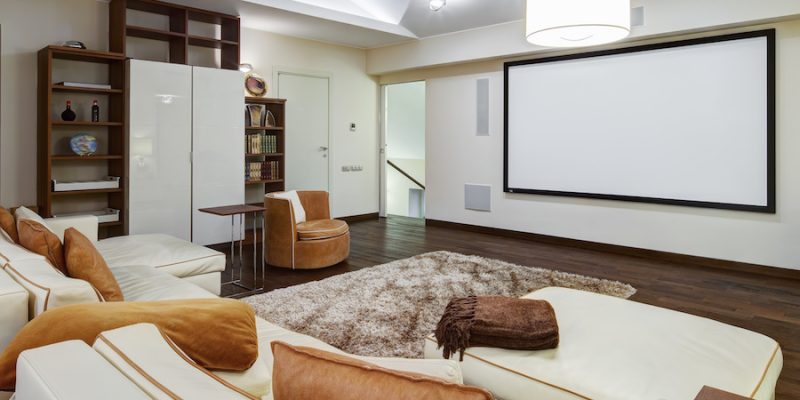
Hard surfaces like hardwood floors, tile, and bare walls reflect sound waves, creating echoes that make background noise seem louder. By introducing soft furnishings, you absorb these reflections. Think of thick area rugs with high-quality carpet pads, plush velvet curtains, and upholstered furniture. These items act as giant sponges for noise, creating a softer and more inviting auditory environment.
Strategic Furniture Placement
The layout of your home also influences how sound moves. Bookshelves filled with books against a common wall provide both mass and an uneven surface that helps diffuse sound waves. Positioning wardrobes or large storage units between a noisy neighbor’s wall and your living space can also provide a buffer that reduces the transmission of footsteps or television sounds.
The Long-Term Benefits of an Acoustically Balanced Home
The advantages of a quieter home extend far beyond immediate comfort. Consistent exposure to unwanted noise has been linked to increased cortisol levels and long-term health issues. By creating a space where you can retreat from the chaos of the outside world, you allow your nervous system to recover.
An acoustically managed home also enhances the quality of your activities. Music sounds richer when there is no background hiss. Conversations are easier to follow without the need to shout over ambient noise. Work becomes more focused when interruptions are minimized. Ultimately, soundproofing is not just about blocking noise; it is about creating an environment that supports your lifestyle, hobbies, and downtime.
Frequently Asked Questions
Can acoustic foam alone effectively soundproof a room against loud traffic?
Acoustic foam is designed to absorb internal sound reflections, such as echoes in a recording studio, rather than blocking external noise from entering a home. To stop traffic noise, you need mass, such as heavy window treatments, thick glass, or structural wall insulation.
How much of an impact do bookshelves have on sound reduction?
Bookshelves filled with books are highly effective for sound diffusion and offer a moderate level of sound blocking. The weight of the books provides mass, while the irregular depths of the spines help break up sound waves, preventing them from bouncing around the room.
Will installing heavy curtains really block out noise?
Heavy, thick curtains specifically designed for acoustic performance can help block noise, especially if they are floor-to-ceiling and cover the entire window frame. They are most effective when used in combination with window seals that block air gaps, as they help mitigate the vibration of the glass.
Is it possible to soundproof a room without making it look like a studio?
Yes, modern soundproofing materials are designed to be discreet. Acoustic panels can be wrapped in decorative fabrics, mass-loaded vinyl can be installed behind standard drywall, and solid-core doors look identical to standard interior doors. You can achieve a quiet home while maintaining a stylish, residential aesthetic.
Do rugs make a big difference in reducing noise from upstairs neighbors?
Area rugs with thick felt pads can significantly reduce the impact noise—such as footsteps or dropped objects—that travels through floorboards. By softening the impact, you reduce the vibration that is transmitted into the ceiling structure of the room below.
Why is soundproofing considered a worthwhile investment for property value?
A quiet home is a highly desirable feature in the real estate market. Properties that have invested in acoustic privacy, such as high-performance windows and insulated walls, are often more attractive to buyers who prioritize comfort, work-from-home capabilities, and overall quality of living.
What is your reaction?
Excited
0
Happy
0
In Love
0
Not Sure
0
Silly
0