 By Ken Millbank
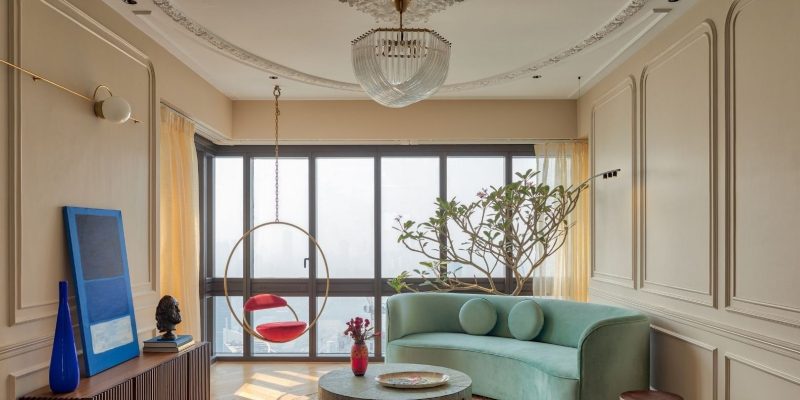
When interior designers discuss transforming a room, the conversation almost always revolves around flooring, wall colors, and furniture arrangements. Yet, one of the most powerful architectural elements is frequently overlooked: the ceiling. Often referred to as the fifth wall, the ceiling plays a crucial role in defining the volume, mood, and overall aesthetic of a living space. Ignoring this vast surface means missing out on an opportunity to add architectural depth, character, and sophistication to your home.
Treating the ceiling as a blank white plane can make a room feel unfinished or uninspired. By introducing deliberate architectural details, textures, colors, or lighting strategies, you can fundamentally alter how a space is experienced. Whether you want to make a soaring room feel more intimate or a compact space feel expansive, thoughtful ceiling design holds the key.
The Fifth Wall Concept
The term fifth wall encourages homeowners to view the ceiling not as a structural necessity to be painted white and forgotten, but as an active canvas for design. Just as you would carefully select wallpaper or paint for your walls, the ceiling deserves an intentional design choice that complements the rest of the room.
When you apply color, texture, or architectural interest upward, you draw the eye through the entire volume of the space. This creates a cohesive, envelope-like feeling where the room wraps around its occupants rather than just containing them. A well-designed ceiling balances the heavy visual weight of flooring and furniture, bringing a sense of equilibrium to the interior.
Architectural Treatments for Depth and Character
Different ceiling styles can drastically change the architectural silhouette of a home. Depending on your ceiling height and personal style, several classical and contemporary treatments can elevate your interior aesthetic.
-
Exposed Beams: Adding real or decorative wood beams introduces organic warmth, texture, and a sense of structural integrity. Beams work exceptionally well in vaulted or high-flat ceilings, breaking up large expanses of drywall and adding rustic or modern industrial charm.
-
Coffered Ceilings: A coffered ceiling features a grid of recessed panels framed by intersecting beams. This traditional treatment adds immense architectural weight, elegance, and sophistication, making it a favorite for formal living rooms, dining spaces, and home libraries.
-
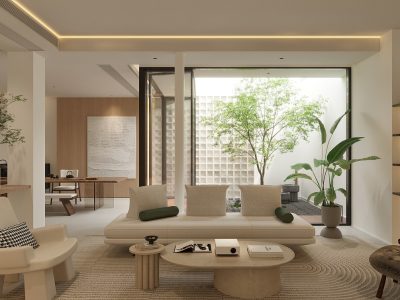
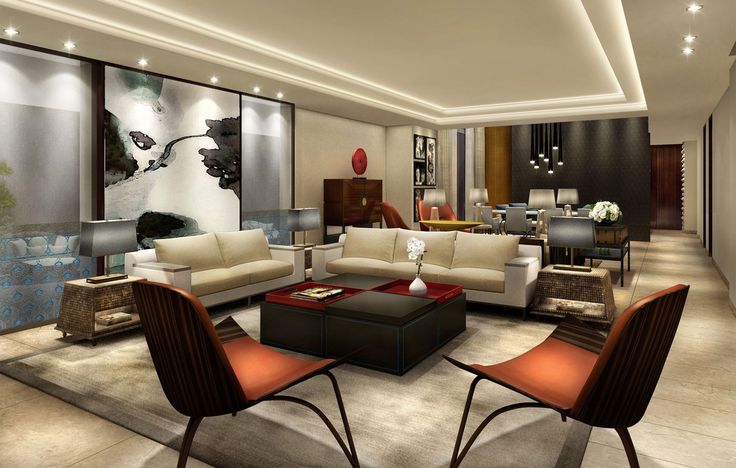
Tray Ceilings: Featuring a center section that is raised several inches higher than the perimeter, tray ceilings create a multi-layered effect. They draw the gaze upward and provide a natural channel for hidden ambient LED strip lighting.
-
Tongue and Groove Panelling: Utilizing wood planks across the ceiling surface introduces subtle linear texture and a cozy, cabin-inspired or coastal vibe depending on the finish color.
The Psychological Impact of Color and Finish
Color selection on the fifth wall has a profound psychological effect on how large or small a room feels. Standard white paint reflects light and creates an open, airy illusion, which is ideal for small or low-ceilinged rooms. However, dark or saturated colors can create an entirely different atmosphere.
Painting a ceiling a dark color—such as charcoal, deep navy, or forest green—lowers the visual height of the room, creating an intimate, cozy, and dramatic embrace. This technique works wonderfully in bedrooms, media rooms, or small studies where a cocoon-like feeling is desired. Additionally, choosing a high-gloss finish instead of flat matte paint allows the ceiling to subtly reflect light and movement, adding a layer of understated luxury and polish to the space.
Integrating Lighting with Ceiling Architecture
Lighting and ceiling design are inextricably linked. The structure of your ceiling dictates how light interacts with the room, influencing both functionality and visual appeal.
Recessed lighting provides clean, modern illumination, but relying on it exclusively can make a ceiling look like a dotted grid. Pairing architectural features like coffered layouts or tray perimeters with concealed LED lighting creates a soft, indirect glow that highlights the craftsmanship of the ceiling itself. Chandeliers and pendant lights also rely on the ceiling for support, serving as sculptural focal points that anchor the furniture arrangement below. A striking light fixture hung from a beautifully detailed ceiling acts as the crown jewel of the room.
Frequently Asked Questions
Can I add decorative beams to a standard low ceiling?
Adding heavy structural beams to a low ceiling can make the room feel cramped. However, lightweight faux wood or foam beams with a shallow profile can be installed successfully without overwhelming the vertical space, provided the rest of the room utilizes light colors and low-profile furniture.
Does a dark ceiling always make a room feel smaller?
While dark colors visually lower the ceiling plane, they do not necessarily make a room feel uncomfortably small. Instead, they blur the edges of the room, creating a sense of infinite depth and sophisticated intimacy rather than a closed-in feeling.
What is the easiest way to update a plain ceiling without major renovation?
Paint is the most transformative and cost-effective upgrade. Painting the ceiling a subtle contrasting color, a warm neutral, or a soft pastel can completely change the mood of a room without requiring carpentry or structural changes.
Are tray ceilings suitable for modern interior design styles?
Yes, modern tray ceilings tend to feature clean lines, sharp right angles, and integrated linear LED lighting rather than ornate moldings. This minimalist approach adds architectural interest while maintaining a sleek, contemporary aesthetic.
How do ceiling treatments affect the acoustics of a room?
Hard, flat drywall ceilings often bounce sound waves, causing echoes in large or minimalist rooms. Textured treatments such as wood panels, coffered details, or acoustic plaster help diffuse sound waves, improving the overall acoustic comfort of the living space.
Should the ceiling color always match the trim or the walls?
There are no rigid rules in modern interior design. You can match the ceiling to the wall color for a seamless, immersive look, match it to the trim for a classic framed appearance, or treat it as an entirely separate accent color to create a bold statement.
What type of paint finish is best for residential ceilings?
Flat or matte paint is traditionally preferred for ceilings because it diffuses light and hides minor surface imperfections or tape lines. However, a satin or semi-gloss finish can be used strategically if you want to reflect light in a dark room or highlight smooth architectural details.
What is your reaction?
Excited
0
Happy
0
In Love
0
Not Sure
0
Silly
0