 By Ken Millbank
When One Timber Can Do It All
Some materials are beautiful in one room but awkward in another. They demand a particular colour palette, a specific lighting condition, or a very precise style of home before they look their best. Tasmanian Blackwood is not one of those materials.
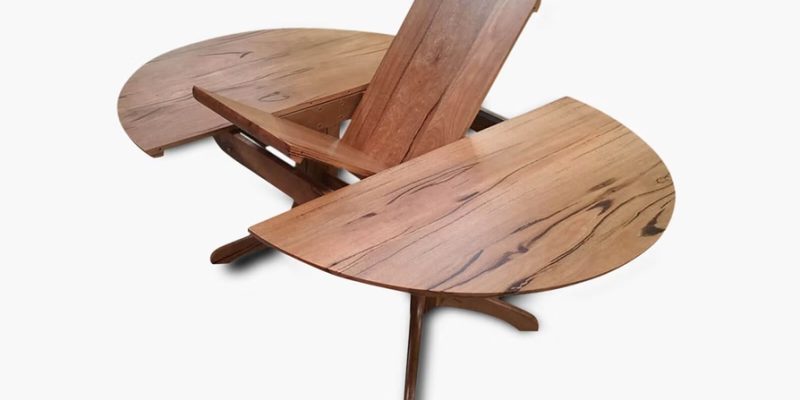
What makes Tasmanian blackwood furniture so compelling as a design choice is its extraordinary range. The warm, golden-brown tones and natural figuring of Blackwood work as well in a relaxed family living room as they do in a sophisticated dining space or an elegant entrance hall. And when it comes to tables specifically — the most versatile category of furniture in any home — Blackwood delivers across every room, every function, and every occasion.
This guide walks room by room through the different types of blackwood tables available, with practical styling advice for each one. Whether you’re furnishing a single room or thinking about how to thread one beautiful timber through your entire home, you’ll find everything you need here.
What Makes Tasmanian Blackwood the Ideal Timber for Tables?
Before we move room by room, it’s worth understanding why Blackwood performs so well specifically in table form — because not every timber is equally well-suited to the demands placed on furniture that’s touched, leaned on, and used every single day.
The Timber’s Natural Strengths
Tasmanian Blackwood (Acacia melanoxylon) is a native Australian hardwood prized since the early days of Australian furniture making for its unique combination of beauty and practicality. In table form, its key qualities translate directly into real-world benefits:
- Rich, warm colouring — the golden-brown palette with reddish veining and darker streaks creates a depth of visual interest that catches the eye without overwhelming a room
- Natural figuring and lustre — the interlocked grain structure produces a subtle shimmer across the surface, particularly under direct or raking light, that no stain or veneer can replicate
- Hardness and durability — a Janka hardness rating of approximately 5.5 kN means Blackwood resists the surface dents, scratches, and daily wear that tables inevitably endure
- Excellent finish compatibility — Blackwood responds beautifully to oils, lacquers, and hand-rubbed finishes, which means it can be presented in a range of looks from relaxed and organic to polished and refined
- Repairability — as solid timber, Blackwood tables can be sanded back and refinished when needed, giving them a lifespan measured in decades rather than years
These qualities make Blackwood well-suited to every table type — from the centrepiece dining table that anchors a room to the quiet lamp table in a bedroom corner.
Room-by-Room Styling Guide for Blackwood Tables
The Entrance Hall: First Impressions That Last
The hall table is one of the most underappreciated pieces of furniture in a home. It’s the first thing you and your guests encounter when walking through the door — a brief but powerful moment that sets the tone for everything that follows.
A Blackwood hall table handles this introduction beautifully. The warm, rich tones immediately communicate quality and care, telling anyone who enters that this is a home where the details matter. The natural figuring of the timber catches light from windows or overhead fixtures, creating a visual warmth that makes even a narrow hallway feel welcoming rather than functional.
Styling tips for a Blackwood hall table:
- Keep the surface curated rather than cluttered — a simple vase of fresh or dried botanicals, a small sculptural object, and a tray for keys and mail is all you need
- Use a framed mirror above the table to double the visual impact of the timber and expand the perceived space of the hallway
- Match any metal accents in the room (door handles, light fittings) to the finish of the table’s hardware — brushed brass or matte black both work beautifully alongside Blackwood’s warm tones
- Let the timber breathe: avoid surrounding it with too many competing patterns or colours; neutrals and naturals are the hall table’s best friends
A narrower hall table in a slimmer entryway can still make a significant impact — even 30 cm of depth is enough to create a proper staging surface if the piece is well-chosen.
The Living Room: Coffee Tables and Nesting Tables That Earn Their Place
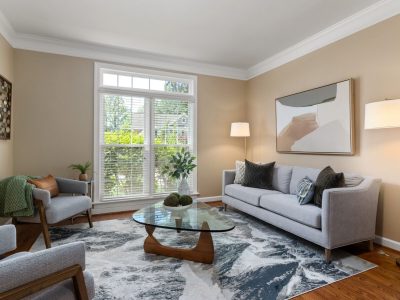
The living room is where most of us spend the majority of our home time, and a Blackwood coffee table brings both visual and functional value to the space in equal measure.
Unlike pale timbers that can be overpowered by bold sofas or dark rugs, Blackwood holds its own. Its warm, medium-dark tones anchor a living room arrangement visually, grounding the seating around it and giving the space a sense of intentional composition. Place a Blackwood coffee table in the centre of a linen sofa arrangement and it immediately makes the room feel finished — complete in a way that’s hard to achieve with glass or engineered alternatives.
Styling tips for a Blackwood coffee table:
- Use a considered selection of objects on the surface — a stack of art books, a small sculptural piece, a candle, and a low vessel are enough; resist the urge to overcrowd it
- A tray is your best styling tool: it groups smaller objects into one cohesive arrangement and makes the surface easy to clear when you need the full top space
- Balance the warmth of the Blackwood with soft textures nearby — linen cushions, a wool throw, a natural fibre rug all complement the timber’s organic character
- For open-plan spaces, consider the Blackwood as the visual connector between the living and dining zones, particularly if you have matching pieces in the dining room
Nesting tables are a particularly practical Blackwood option for living rooms where flexibility matters. They sit elegantly together as a grouping when not in use, then fan out to provide surface space during gatherings — extra drink surfaces, places for plates of food, additional landing spots for guests. The layered arrangement also creates a visually interesting moment that a single table can’t achieve alone.
The Dining Room: Where Blackwood Tables Make Their Biggest Statement
The dining room is where Blackwood truly comes into its own. As a dining table, it provides the warm, rich surface that makes every meal — whether it’s a Tuesday night dinner or a special occasion gathering — feel a little more considered and a little more special.
The visual character of a Blackwood dining table is hard to overstate. The natural figuring shifts with the direction of light throughout the day: softer in the morning, deeper under evening candlelight, and genuinely luminous under the focused warmth of a pendant overhead. Few other materials respond to changing light this way, and it’s one of the reasons that people who live with Blackwood dining tables consistently describe a sense of affection for the piece that only grows over time.
Styling tips for a Blackwood dining table:
- Choose your pendant light thoughtfully — warm-toned bulbs (2700–3000K) draw out the golden and amber notes in the Blackwood beautifully; cooler lighting can flatten the grain
- A simple centrepiece works best — a low vase, a candle cluster, or a single stem in a slim vessel; the table itself is the statement
- Pair with dining chairs that complement rather than compete — natural linen, leather, or timber chairs in a matching or harmonious tone all work well
- Use a table runner on special occasions to add colour and texture without covering the full surface — the beauty of Blackwood is best enjoyed, not hidden
- Allow the table to be seen from all angles by positioning it with space on all sides where possible, rather than pushed against a wall
The Living Room or Bedroom: Lamp Tables That Add Character in the Corners
Lamp tables are small, often overlooked, and yet they consistently make a room feel more composed and considered when chosen well. A Blackwood lamp table in a living room or bedroom corner does quiet but important work: it provides the practical surface a lamp needs while adding a point of warm visual interest in a space that might otherwise feel unfinished.
In a bedroom, a Blackwood lamp table beside an armchair or in a reading nook creates a complete, self-contained vignette — timber warmth, soft light, and a comfortable seat together forming a compelling invitation to sit and stay a while.
Styling tips for a Blackwood lamp table:
- Keep the surface lightly dressed — a lamp, one small object (a book, a plant, a decorative piece), and nothing more
- The lamp shade matters: a warm-toned or natural linen shade complements the Blackwood; avoid stark white shades that create a visual contrast too harsh for the timber’s warmth
- In a living room, a lamp table can also serve as an end table beside a sofa — useful for drinks and remotes while contributing to the room’s overall material palette
The Bar or Entertaining Area: Bar Tables That Elevate the Occasion
A Blackwood bar table brings a sense of warmth and quality to entertaining spaces that other materials rarely match. Whether it’s a dedicated bar area in an open-plan home, a patio or alfresco setting, or a kitchen island arrangement, a Blackwood bar table immediately elevates the atmosphere.
The height of a bar table naturally creates a different social dynamic to a standard dining table — it encourages people to stand comfortably, move around freely, and gather without the formality of seated dining. Blackwood’s visual richness makes this informal setting feel considered and intentional rather than improvised.
Styling tips for a Blackwood bar table:
- Pair with bar stools in complementary materials — timber legs with upholstered seats, or all-timber stools in a matching finish, both work well
- Keep the surface as clear as possible during use so the timber can be appreciated; a small cocktail tray or a row of glassware is all you need
- Position near natural light where possible — morning and afternoon light on Blackwood is genuinely spectacular, and an entertained guest who notices it will remember it
Caring for Your Blackwood Tables Throughout the Home
Regardless of which room your Blackwood table lives in, the care principles are consistent and straightforward.
Regular maintenance for all Blackwood tables:
- Dust frequently with a soft, dry or slightly damp cloth — fine dust particles can dull a beautiful finish if left to accumulate
- Wipe up any spills immediately, particularly liquid, which can penetrate even a sealed finish if left to sit
- Use coasters under glasses and cups, and felt pads under decorative objects to prevent surface marking
- Keep out of prolonged direct sunlight where possible — UV exposure causes gradual, uneven colour change in any timber
Finish-specific care:
- Oil-finished Blackwood tables benefit from a light re-oil once or twice a year using a quality furniture oil — this keeps the grain nourished and the surface protected
- Lacquered surfaces are more sealed and require less ongoing treatment, but should be cleaned with a damp cloth only — avoid chemical-based sprays
With consistent care, your Blackwood tables will not only maintain their appearance but genuinely improve over time, the grain deepening and the warmth of the timber becoming richer with every passing year.
Conclusion: One Timber, Every Room, Endless Character
What makes a home feel genuinely cohesive — rather than just individually decorated — is the thread of consistent material choices that runs through it. When you bring Tasmanian blackwood furniture into your home through the various types of blackwood tables available, you’re building exactly that kind of cohesion.
From the hall table that greets your guests at the door to the dining table that hosts your most important moments, and from the coffee table at the heart of your living room to the quiet lamp table in a reading corner, Blackwood brings warmth, character, and lasting quality to every room it enters.
Browse Jarrimber’s full collection of Blackwood tables to find the pieces that belong in your home — and discover what it feels like to live with furniture that gets better with every year that passes.
Frequently Asked Questions
What types of blackwood tables are available for the home?
Blackwood tables are available across a wide range of types to suit every room and function. These include dining tables, coffee tables, hall tables, lamp tables, nesting tables, bar tables, and boardroom tables. Each type is available in different sizes and configurations, making it possible to bring the warmth and character of Tasmanian Blackwood to every area of your home.
Is Tasmanian blackwood furniture suitable for all interior design styles?
Yes — Tasmanian blackwood furniture works across a broad range of interior styles. Its warm, golden-brown tones and natural grain figuring complement contemporary Australian, coastal, transitional, rustic, and heritage-inspired interiors equally well. The key is in the finish and styling: a clear oil finish reads more organic and casual, while a lacquered finish feels more polished and refined.
How do I style a Tasmanian Blackwood coffee table in my living room?
Keep the surface curated: a tray grouping smaller objects together, a stack of books, a candle, and one organic element such as a plant or sculptural piece is all you need. Pair the table with soft natural textures in nearby furnishings — linen, wool, and natural fibres all complement Blackwood’s warmth. Allow the timber surface itself to be a feature rather than covering it entirely.
What is the difference between a hall table and a lamp table?
A hall table is typically longer and designed for use in an entrance or hallway — it provides a surface for keys, mail, and décor while making a first impression for visitors. A lamp table is smaller, usually square or round, and designed to hold a lamp and a small number of objects in a living room corner, beside a chair, or in a bedroom. Both are available in Tasmanian Blackwood and serve different but complementary functions in the home.
How do I maintain a Tasmanian blackwood table to keep it looking its best?
Dust regularly with a soft cloth, wipe spills immediately, and use coasters and felt pads to protect the surface. Avoid prolonged direct sunlight and harsh chemical cleaners. For oil-finished pieces, a light re-oil once or twice a year will keep the timber nourished and looking rich. With consistent care, Blackwood deepens in warmth and character over time rather than fading or deteriorating.