 By Ken Millbank
In an era defined by constant digital connectivity and fast-paced living, the home has evolved from a simple place of shelter into a necessary sanctuary for recovery and rejuvenation. A wellness-focused home is more than just an aesthetic choice; it is a deliberate approach to design that prioritizes mental clarity, physical health, and emotional balance. By intentionally shaping your living space to support your biological needs, you can reduce daily stress, improve sleep quality, and foster a deeper sense of overall well-being.
Creating this environment does not require a complete architectural overhaul. It begins with understanding how your surroundings influence your nervous system and making incremental changes that align your living space with the principles of nature, health, and comfort.
The Power of Natural Light and Circadian Rhythms
Your body follows a biological clock known as the circadian rhythm, which regulates sleep cycles, hormone production, and energy levels. The most powerful influence on this rhythm is light. A home that maximizes natural light helps synchronize your internal clock, leading to better sleep at night and increased alertness during the day.
-
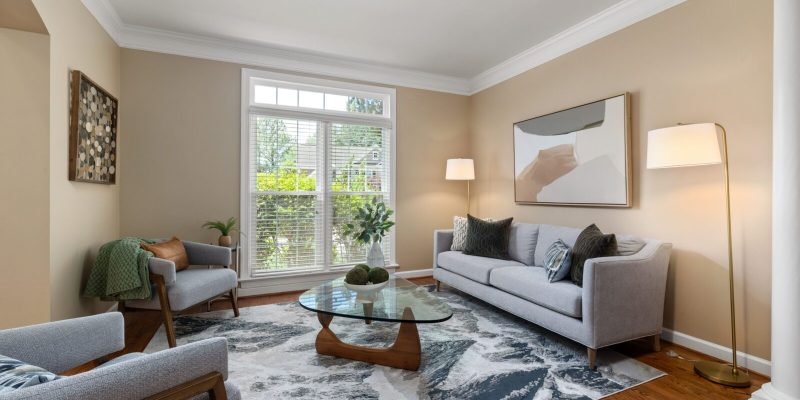
Maximize Daylight: Arrange your furniture to take advantage of natural sunlight. Place workspaces near windows to utilize morning light and ensure your seating areas receive ample brightness during the day.
-
Control Evening Light: In the evening, transition your home to warmer, softer lighting. Avoid harsh, high-intensity artificial lights that mimic daylight, as these can interfere with melatonin production. Use dimmer switches, lamps, or warm-toned bulbs to signal to your brain that it is time to wind down.
-
Layer Your Lighting: Rely on a variety of light sources rather than just a single overhead fixture. Ambient, task, and accent lighting allow you to adjust the atmosphere of a room based on the time of day and the activity you are performing.
Integrating Biophilic Design Principles
Biophilia refers to the innate human tendency to seek connections with nature. Bringing elements of the outdoors inside is one of the most effective ways to lower blood pressure and reduce cortisol levels. You do not need to turn your home into a greenhouse to experience these benefits; subtle integration is sufficient.
Incorporate natural materials like wood, stone, bamboo, and cork into your decor. These materials possess organic textures that are inherently grounding. Furthermore, introduce greenery throughout your living space. Plants not only improve air quality by filtering toxins but also provide a visual softness that makes a room feel more alive and less sterile. If you struggle to maintain live plants, even high-quality botanical art or images of nature can trigger a positive psychological response.
Optimizing Air Quality for Respiratory Health
A wellness-focused home must be breathable. Poor indoor air quality is often caused by synthetic materials, cleaning products, and lack of ventilation, which can lead to headaches, fatigue, and long-term respiratory issues. Improving your indoor climate is a fundamental step toward health.
Start by prioritizing natural ventilation. Whenever the weather permits, open windows to allow fresh air to circulate. This simple action helps dilute indoor pollutants and refreshes the oxygen levels in your home. Additionally, be mindful of what you introduce into your space. Choose paints, finishes, and furniture made from low-VOC (volatile organic compound) materials. Synthetic materials can off-gas chemicals into your home for years; opting for natural textiles like wool, cotton, and linen can significantly reduce your exposure to unnecessary chemicals.
Creating Dedicated Zones for Restoration
Modern life often blurs the lines between work, social interaction, and rest. To maintain mental health, it is essential to create physical boundaries that support specific states of mind. A wellness-focused home provides clear cues for what you should be doing in each area.
Your bedroom, in particular, should be a dedicated space for restoration. Remove electronics, including televisions and computers, from this area to minimize the presence of blue light and the urge to remain connected. Keep the space cool, dark, and quiet. By associating the bedroom exclusively with sleep and relaxation, you train your brain to power down the moment you step inside. Similarly, if you work from home, create a defined workspace that you can physically leave at the end of the day to ensure that professional stress does not bleed into your personal downtime.
The Role of Minimalism and Clutter Reduction
Physical clutter often translates into mental clutter. When your visual field is filled with disorganized objects, your brain is constantly processing information, which inhibits your ability to relax. Embracing a simplified, intentional approach to home organization allows you to clear the path for mental clarity.
This does not mean you must adopt an austere, empty home. It means prioritizing objects that serve a purpose or provide genuine joy. Regularly evaluate your belongings and let go of items that no longer align with your current life. By creating open space, you allow your home to feel expansive rather than confining. An orderly home provides a sense of control and predictability, both of which are essential for managing stress in a chaotic world.
Cultivating Sensory Comfort
Finally, wellness is fundamentally about how your home feels to the senses. Sound and touch are just as important as sight. Soften the acoustic environment with rugs, curtains, and cushions to dampen harsh echoes. Use high-quality bedding and comfortable seating to ensure that your home physically supports your body. When your environment feels soft, warm, and inviting, your body naturally enters a parasympathetic state—a state of rest and digest—which is the ultimate goal of a wellness-focused home.
Frequently Asked Questions
How can I make my home feel more peaceful if I live in a busy city?
Focus on acoustic management and visual buffers. Heavy curtains and thick rugs help dampen street noise. Using indoor plants as a visual screen and focusing on a soft, warm lighting scheme can make your home feel like an island of calm regardless of the exterior environment.
What are the easiest ways to improve indoor air quality on a budget?
The most effective way to improve air quality is through consistent ventilation by opening windows. Additionally, vacuuming regularly with a HEPA filter and reducing the use of synthetic scented candles or artificial air fresheners will immediately decrease the amount of pollutants in your home.
Can color choices significantly impact my mental health at home?
Colors have a strong psychological effect. Cool tones like soft blues, greens, and neutrals tend to have a calming effect, while warmer, brighter colors can be energizing. For a wellness-focused space, opt for a palette derived from nature to create a harmonious and balanced atmosphere.
How do I maintain a wellness-focused environment with children and pets?
Focus on durability and ease of maintenance. Choose washable, natural textiles and ensure your furniture layout is open enough for activity. The goal is not perfection, but rather reducing stressors like chemical exposure and visual chaos, which benefits all inhabitants regardless of age.
Is it necessary to get rid of all technology to create a wellness home?
No, it is about balance and intention. The goal is to avoid technology that creates distractions or interferes with sleep. Use technology in ways that serve your wellness, such as smart lights that adjust color temperature throughout the day or apps that play white noise for better sleep.
What is the most important room to focus on first when starting this transition?
The bedroom is the most important space. Since sleep is the foundation of physical and mental health, ensuring your sleeping environment is optimized for rest—cool, dark, and free of digital distractions—will provide the most immediate and impactful improvement to your overall well-being.
What is your reaction?
Excited
0
Happy
0
In Love
0
Not Sure
0
Silly
0