Home

Mudroom and Entryway Drop-Zone Design for Families With Kids and Pets

Five minutes after the school bus pulls away or the dog comes back from a rainy walk, the average family entryway looks like an obstacle course. Backpacks slump across the threshold, wet sneakers pile on top of each other, leashes tangle around chair legs, and permission slips disappear under junk mail on the kitchen island. Without a dedicated landing spot built around how people and animals actually move through the door, clutter spills straight into the rest of the house every single day.

Designing a hard-working mudroom or entryway drop zone does not require a sprawling suburban addition. Whether you have a dedicated side-entry hallway off the garage or a six-foot stretch of wall beside the front door, smart vertical storage, durable materials, and kid- and pet-level ergonomics can contain daily mess before it reaches your living room floors.

Building Kid-Friendly Storage That Actually Gets Used

The fastest way to make an entryway fail is to mount hooks and shelves at adult eye level. When children have to stretch on tiptoes or ask for help to hang up a heavy backpack, bags end up dropped on the floor within three seconds of walking inside.

Vertical Zoning by Height

Divide your entryway wall into clear horizontal tiers so every family member can put away their own gear effortlessly:
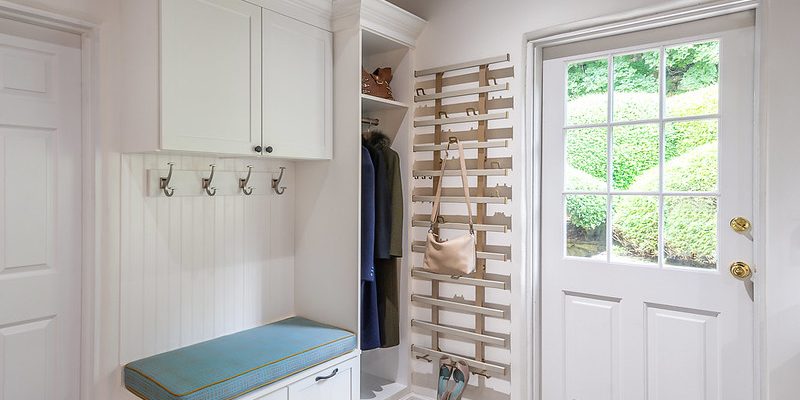
  • Lower tier (12 to 24 inches off the floor): Reserve open cubbies, slatted shoe racks, or deep pull-out drawers for everyday sneakers, rain boots, and sports cleats. Keep everyday footwear open to air circulation rather than locked behind solid doors, which trap moisture and odors.

  • Middle tier (36 to 48 inches off the floor): Install heavy-duty double-prong hooks at child shoulder height for school backpacks, lunch totes, and rain jackets. Double prongs hold twice as much weight as single pegs and keep bag straps from slipping onto the floor.

  • Upper tier (66 inches and higher): Use overhead cabinets or labeled canvas bins for seasonal gear like winter parkas, bike helmets, sunscreen, and out-of-season hats that adults manage or rotate quarterly.


Giving Every Child an Assigned Locker or Cubby

Shared bins invite arguments and lost mittens. Assigning one vertical locker bay or designated hook-and-cubby column per child creates instant accountability. When each kid knows exactly where their backpack, shin guards, and winter gloves belong, morning departures speed up dramatically because nothing has to be hunted down across three rooms.
Keep locker interiors at least 16 to 18 inches deep so bulky padded backpacks fit cleanly without jutting out into the walkway, and mount hooks on both the back wall and the side dividers to maximize hanging capacity.

Designing Practical Stations for Dogs and Cats

Pets bring mud, shedding fur, leashes, and damp towels right through the same doorway. Integrating pet gear directly into your mudroom layout keeps wet paws off hardwood floors and prevents leashes from migrating into kitchen drawers.

Leash, Waste Bag, and Treat Organization

Mount a dedicated low-profile hook rail at 42 to 48 inches near the door latch specifically for leashes, harnesses, and reflective walking vests. Pair it with a shallow wall-mounted bin or small drawer holding waste bag rolls, paw wipes, and training treats so everything is within arm’s reach the moment your dog hears the word “walk.”
If you have an energetic dog that bolts when the front door opens, consider installing a retractable mesh safety gate or Dutch door between the mudroom and the main living area. That simple physical buffer gives you a secure airlock to unclip leashes and wipe down paws before releasing your pet into the house.

Dedicated Towels and Washable Flooring Zones

Keep a ventilated basket or open shelf near the floor stocked with old microfiber bath towels solely for drying wet paws and bellies. In larger mudrooms with plumbing access, a tiled pet-washing station with a handheld sprayer—or even a simple floor-level utility sink—eliminates the muddy dash from the back door to the upstairs bathtub after a trip to the dog park.

Choosing Durable, Moisture-Proof Surfaces

Standard painted drywall and solid oak hardwood take a beating in high-traffic family entryways. Wet boots, metal scooter kickstands, and dog claws will chip paint and warp wood planks within a single winter unless the finishes are built for abuse.

Flooring That Handles Water, Grit, and Claws

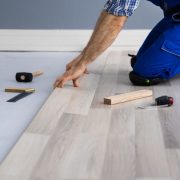
Skip traditional solid hardwood and plush carpet in the drop zone. Instead, anchor the floor with porcelain tile, luxury vinyl plank (LVP) with a thick wear layer, sealed slate, or brick pavers. Porcelain tile with a textured matte finish resists scratches from dog nails, shrugs off road salt and melted snow, and cleans up with a quick mop.
Top the main threshold with a commercial-grade, low-pile walk-off mat backed with non-slip rubber. A good ribbed scraper mat captures up to 80 percent of tracked-in sand and gravel within the first three steps inside the door.

Protecting Walls From Scuffs and Wet Coats

Wet raincoats and muddy backpacks resting directly against flat latex paint leave permanent stains and mildew spots. Clad the lower half of your mudroom wall—or the interior back panel of open lockers—in painted beadboard, shiplap, PVC wainscoting, or durable tile finished with a washable semi-gloss or satin enamel. Those smooth, sealed surfaces wipe clean with a damp sponge in seconds.

Adding a Bench and Charging Station for Smooth Routines

No drop zone works without a comfortable place to sit down and pull on boots. A built-in bench measuring 17 to 19 inches high and 16 to 20 inches deep gives kids a steady perch for tying shoelaces while offering prime real estate underneath for pull-out shoe drawers or rolling wire baskets.
Finally, tame paper and device clutter by building a compact family command center into the end of the cabinetry or along an adjacent wall. Include a vertical mail sorter for school flyers and bills, a magnetic or cork board for sports schedules, and a recessed outlet inside a shallow drawer or cabinet nook so tablets, walkie-talkies, and rechargeable dog-collar lights power up neatly out of sight.
When every backpack, leash, and muddy boot has an obvious home within six feet of the door, your entryway stops acting like a bottleneck and starts working as the calm, organized buffer zone your household actually needs.

What is your reaction?

Excited
0
Happy
0
In Love
0
Not Sure
0
Silly
0

You may also like

Comments are closed.

More in:Home