
 By Ken Millbank
Your bedroom is far more than just a place to sleep. It functions as a personal sanctuary, a quiet retreat from the stresses of daily life, and a deeply private space that reflects your personal style. Designing a bedroom that successfully balances restful aesthetics with practical functionality requires careful planning and intentional choices. Whether you are starting from scratch in a new home or refreshing a dated room, understanding the core elements of bedroom design will help you build a space that promotes relaxation and enhances your daily quality of life.
From selecting the right mattress and bedding to optimizing lighting and managing clutter, every decision contributes to the overall atmosphere. By focusing on comfort, ergonomics, and visual harmony, you can transform an ordinary bedroom into a restorative haven.
The Foundation: Choosing the Right Bed and Mattress
The bed serves as the undisputed focal point of any bedroom. Because sleep quality dictates your physical health, mental clarity, and emotional well-being, investing in a supportive mattress and a sturdy bed frame should be your top priority.
-
Mattress Selection: Consider your sleeping position and support needs. Side sleepers typically require a softer mattress to cushion pressure points on the shoulders and hips, while back and stomach sleepers benefit from medium-firm or firm support to keep the spine properly aligned.
-
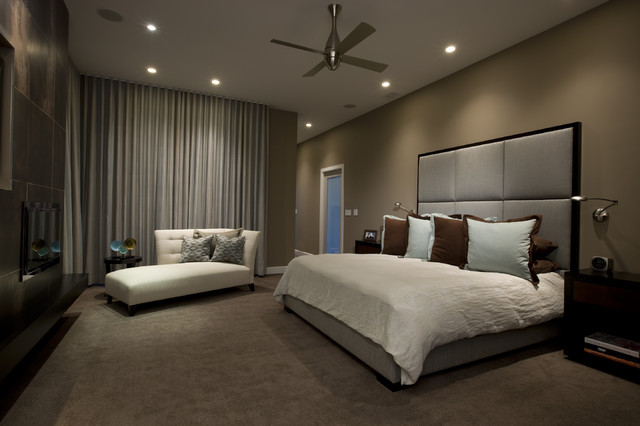
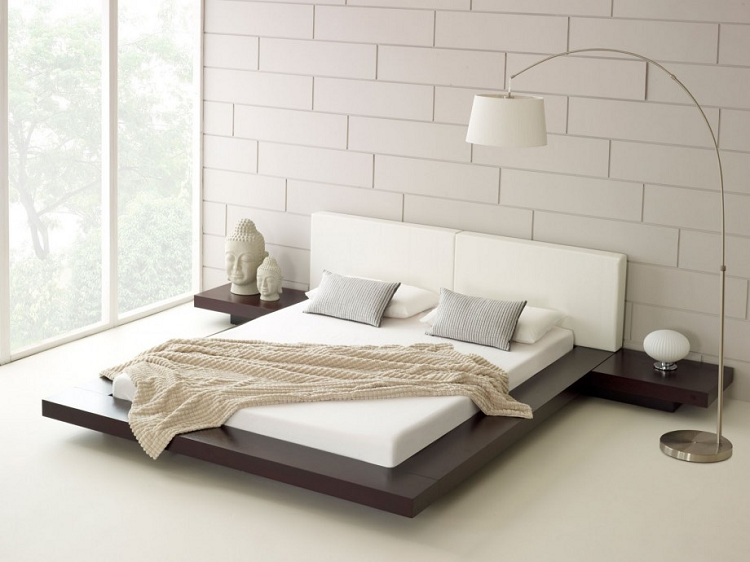
Bed Frame and Headboard: The frame anchors the room visually. Upholstered headboards add softness and a comfortable backrest for reading, while wooden frames introduce warmth and organic texture.
-
Bed Placement: Position your bed so that you have a clear view of the door without being directly in line with it, a principle known in interior design as the command position. Ensure there is adequate walking space on both sides of the bed for easy access.
Layering Textures for Ultimate Comfort
A bedroom can easily feel sterile if it lacks textural variety. To create a warm, inviting atmosphere, layer different fabrics and materials throughout the space.
Start with high-quality bedding made from breathable natural fibers like crisp linen, organic cotton, or percale. Avoid overly synthetic sheets that trap body heat and cause discomfort during the night. Layer your bed with a lightweight quilt, a plush duvet, and a decorative throw blanket across the foot of the bed.
Beyond the bed, introduce textures through window treatments, flooring, and furniture upholstery. Thick blackout curtains hung high and wide make the window look larger while effectively blocking street light. Layer a soft area rug over hardwood or tile flooring to give your bare feet a warm surface to step onto every morning.
Mastering Bedroom Lighting for Mood and Function
Lighting in a bedroom needs to be versatile. A single overhead light fixture is rarely sufficient for creating a relaxing environment. Instead, design a layered lighting plan that adapts to your needs throughout the day.
-
Ambient Lighting: This provides overall illumination, ideally controlled by a dimmer switch so you can soften the light level as bedtime approaches.
-
Task Lighting: Bedside reading lamps or wall-mounted sconces are essential for reading or working without waking a partner.
-
Accent Lighting: Low-level accent lighting, such as warm LED strip lights behind a headboard or soft floor lamps, creates a gentle, soothing glow that helps signal to your brain that it is time to wind down.
Decluttering and Maximizing Storage
Clutter is the enemy of rest. When your bedroom is filled with scattered clothing, papers, and random objects, your brain constantly processes visual noise, making it difficult to achieve deep relaxation.
Incorporate smart storage solutions to keep surfaces completely clear. Invest in a bed frame with built-in storage drawers or utilize under-bed storage bins for off-season clothing. Nightstands with drawers allow you to hide away books, chargers, and personal items, keeping the tabletop clean. Keep your wardrobe organized so that everyday items have a designated home, preventing clutter from spilling out onto chairs and floors.
Selecting a Calming Color Palette
Color psychology plays a significant role in how a room makes you feel. For a bedroom, opt for a soothing, restrained color palette that lowers your heart rate and promotes calm.
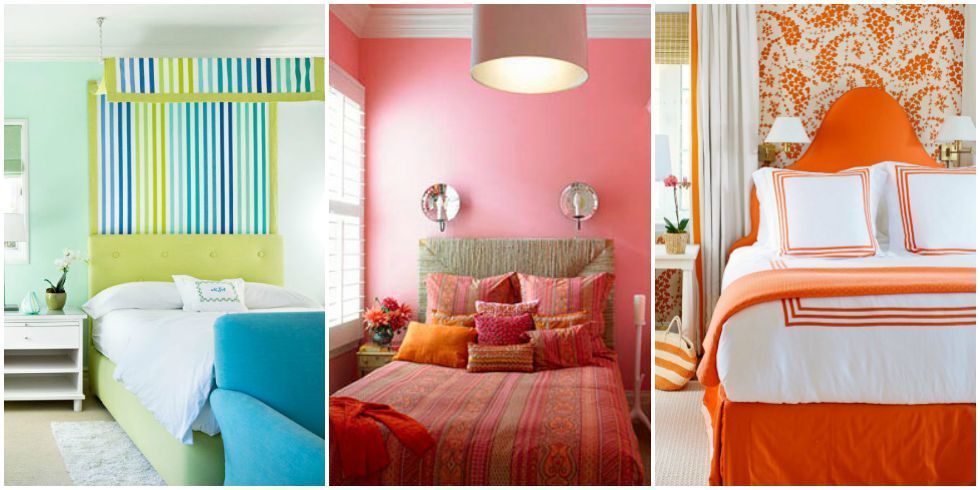
Soft neutrals like warm whites, creamy beiges, soft grays, and muted taupes create an airy and timeless foundation. If you prefer color, look to nature for inspiration. Muted greens, dusty blues, and soft earthy terracottas introduce subtle color without overwhelming the senses. Avoid high-contrast, saturated primary colors like bright reds or electric yellows, as these hues stimulate the nervous system and can interfere with sleep.
Frequently Asked Questions
How can I make a small bedroom feel larger without sacrificing storage?
To maximize space in a small bedroom, utilize vertical storage by installing floating shelves or tall wardrobes that reach close to the ceiling. Choose furniture with exposed legs, such as raised beds or nightstands on legs, to allow light to flow underneath, creating an illusion of open floor space.
What is the best way to arrange furniture in an awkwardly shaped bedroom?
Always anchor the room around the bed first, placing it against the longest solid wall available. Work around architectural quirks like sloped ceilings or bay windows by placing a cozy reading chair or a custom built-in desk in those specific zones to turn awkward spaces into functional assets.
How do I choose the correct size rug for my bed?
For a queen or king bed, your area rug should be large enough to extend at least eighteen to twenty-four inches on both sides and the bottom of the bed. A common mistake is using a rug that is too small, which makes the bed look disconnected from the rest of the room.
Should I keep a television in my bedroom?
Interior designers and sleep specialists generally recommend keeping televisions, computers, and work electronics out of the bedroom. Screens emit blue light that disrupts melatonin production, and the presence of work or media can turn your sleep sanctuary into an extension of your stressful daily routine.
How can I improve my bedroom acoustics for better sleep?
You can reduce outside noise transfer by hanging heavy, lined blackout curtains, placing a thick rug over hard flooring, and adding upholstered wall panels or large fabric headboards. These soft surfaces absorb sound waves and create a quieter acoustic environment.
What plants are best suited for a low-light bedroom environment?
Snake plants, pothos, and ZZ plants thrive in low-light conditions and require minimal watering. Beyond their aesthetic appeal, these hardy houseplants release oxygen and help purify indoor air, contributing to a healthier sleep environment.
How often should I update my bedroom textiles for optimal hygiene?
Bed sheets should be washed weekly in hot water to remove sweat, dust mites, and skin cells. Pillows should be washed or replaced every one to two years, and heavy comforters or duvets should be professionally cleaned or laundered seasonally to maintain freshness.
What is your reaction?
Excited
0
Happy
0
In Love
0
Not Sure
0
Silly
0