 By Ken Millbank
Investing in furniture is one of the most significant purchasing decisions you will make for your living space. The pieces you choose dictate not only the visual aesthetic of your home but also its comfort, durability, and daily functionality. With countless styles, materials, and price points available on the market, finding the best furniture can quickly become an overwhelming endeavor.
Many buyers make the mistake of prioritizing trends over timeless quality, leading to pieces that wear out quickly or fall out of style within a couple of years. Selecting exceptional furniture requires a balanced approach that evaluates craftsmanship, materials, scale, and your specific lifestyle needs. By understanding what defines high-quality construction and how to match pieces to your floor plan, you can curate a home filled with durable, beautiful furniture that serves you well for decades.
Identifying Superior Craftsmanship and Construction
The mark of truly great furniture lies beneath the surface. While aesthetic appeal draws you to a piece, its internal construction determines whether it will withstand daily use or begin sagging, wobbling, and breaking within months.
-
Solid Wood Versus Engineered Wood: The finest furniture is crafted from hardwoods like oak, walnut, maple, or cherry. While high-quality plywood is stable and acceptable for concealed cabinet backs or drawer boxes, avoid furniture made primarily from low-grade particleboard or medium-density fiberboard, as these materials swell when exposed to moisture and cannot hold screws securely.
-
Joinery Techniques: Inspect how the pieces of wood are joined together. Traditional woodworking joints such as dovetail, mortise and tenon, and dowel construction indicate superior craftsmanship. Avoid furniture that relies solely on staples, glue, and visible surface nails.
-
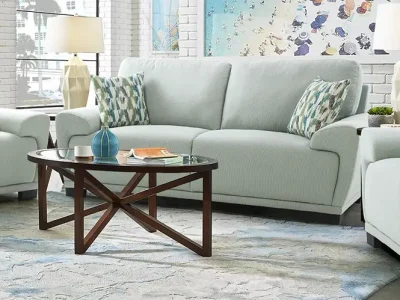
Upholstered Furniture Frames: For sofas and armchairs, look for frames constructed from kiln-dried hardwood. Ask about the spring system; eight-way hand-tied springs or high-quality sinuous steel springs offer the best support and longevity, preventing the seat from sagging prematurely.
Matching Furniture to Your Lifestyle
The best furniture for your home must align with your daily habits and household composition. A stunning, delicate velvet sofa might look incredible in a design magazine, but it is entirely impractical for a home with young children or shedding pets.
-
Durability and Maintenance: If you have an active family, prioritize performance fabrics like crypton, solution-dyed acrylic, or heavy-duty leather that resist stains and clean easily. Removable, washable cushion covers also extend the life of upholstered seating.
-
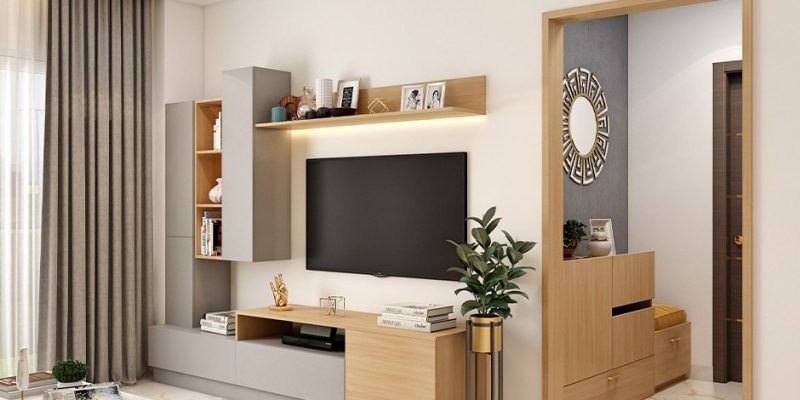
Scale and Proportion: Always measure your rooms before shopping. Oversized furniture can overwhelm a compact apartment, making it feel cramped and difficult to navigate. Conversely, tiny furniture in a large, open-concept room floats awkwardly and lacks presence. Ensure there is enough clearance around tables and seating for comfortable foot traffic.
-
Multi-Functional Design: In modern homes where space is often at a premium, multi-functional furniture is invaluable. Look for storage ottomans, extendable dining tables, or sleeper sofas that offer versatility without sacrificing aesthetic appeal.
Prioritizing Ergonomics and Comfort
Furniture is ultimately meant to be used, which means comfort and ergonomics are just as important as visual beauty. A dining chair or a living room sofa that looks extraordinary is worthless if sitting in it for twenty minutes causes physical discomfort.
When shopping for seating, test the depth and height. Your feet should rest flat on the floor while your lower back receives adequate support from the backrest or throw pillows. For mattresses and beds, test the firmness level that suits your sleeping style. When selecting desks or office chairs, look for adjustable heights and lumbar support to protect your posture during long work hours.
Evaluating Sustainable and Ethical Production
As consumer awareness grows, the definition of the best furniture increasingly includes environmental sustainability and ethical manufacturing practices. Choosing responsibly made furniture protects natural resources and ensures safe labor conditions.
Look for furniture certified by recognized forestry organizations, which guarantees that the wood comes from responsibly managed forests that prevent deforestation. Additionally, consider vintage and antique furniture. Purchasing well-made vintage pieces keeps older, superior craftsmanship in circulation and prevents high-quality items from ending up in landfills.
Frequently Asked Questions
How can I tell if a wooden piece of furniture is antique or a cheap reproduction?
Inspect the interior construction and hardware. Hand-cut dovetail joints, irregular wood grain, and hand-carved details typically indicate an antique or high-end custom piece. Uniform machine-cut joints, modern Phillips-head screws, and lightweight particleboard interiors point toward mass-produced modern manufacturing.
What are the best upholstery fabrics for households with pets?
Tight-weave fabrics such as leather, faux leather, canvas, and heavy microfibers are ideal for pet owners. These materials do not trap pet hair easily, and their tight weaves resist snags from claws compared to loose-knit or textured fabrics like chenille and tweed.
Is it worth paying more for custom-built furniture?
Custom-built furniture is worth the investment if you have unique architectural spaces that standard retail furniture cannot accommodate, or if you want absolute control over wood species, finishes, and dimensions. For standard room layouts, high-end retail furniture often provides excellent quality at a lower price point.
How do I prevent wooden furniture from warping over time?
Wood is a natural material that reacts to changes in humidity and temperature. To prevent warping or cracking, keep wooden furniture away from direct heating vents, fireplaces, and prolonged direct sunlight. Maintaining a stable indoor humidity level using a humidifier or air conditioner also helps preserve the wood.
What is the most durable cushion filling for a high-use sofa?
High-resiliency foam wrapped in down-proof ticking or feather-and-down blends offers the best combination of durability and comfort. High-resiliency foam bounces back quickly after compression and retains its supportive shape much longer than cheap, low-density polyurethane foam.
How often should I condition leather furniture to keep it in good condition?
Leather furniture should generally be cleaned and conditioned every six to twelve months, depending on usage and climate. Regular conditioning prevents the leather from drying out, cracking, or fading, keeping it soft and supple for many years.
Can I mix different furniture styles in the same room, or should everything match?
Mixing different styles, eras, and wood finishes creates a curated, sophisticated look rather than a flat, showroom-style matching set. To keep the room cohesive when mixing styles, ensure there is a unifying element such as a consistent color palette, a repeating metal finish, or a balanced scale across the furniture pieces.
What is your reaction?
Excited
0
Happy
0
In Love
0
Not Sure
0
Silly
0